
What is CBDV (Cannabidivarin)?
Cannabidivarin, commonly known as CBDV, is a non-psychoactive cannabinoid found in hemp and cannabis plants. It is a close structural relative (homolog) of cannabidiol (CBD), differing only by a shorter propyl (3-carbon) side chain instead of CBD's pentyl (5-carbon) chain. This minor difference can influence how CBDV interacts with the body's systems.
First isolated in 1969, CBDV is typically a minor cannabinoid, present in lower concentrations than CBD or THC. It is more abundant in certain landrace indica strains from regions like Africa and Asia, as well as in some specially bred hemp varieties. Like CBD, CBDV is non-intoxicating and federally legal when derived from hemp containing less than 0.3% Delta-9 THC.
Potential Benefits and Effects of CBDV
Anti-Seizure Properties —
Studies show CBDV may reduce seizure activity in animal models, independent of CB1 receptors. It has been investigated for epilepsy, including rare forms like Rett syndrome.
Neurological Support —
Promising for conditions like autism spectrum disorder (ASD), Rett syndrome, and Duchenne muscular dystrophy. Research suggests it may influence brain excitation/inhibition balance and reduce repetitive behaviors.
Anti-Inflammatory & Pain Relief —
CBDV targets pathways like TRPV1/TRPV2 channels (involved in pain and inflammation) and shows potential in reducing neuroinflammation and gut inflammation.
Anti-Nausea —
Animal studies indicate CBDV may help alleviate nausea.
Other Emerging Areas —
Recent 2025 research explores antifungal effects, immune modulation in cancer models, and benefits for conditions like Prader-Willi syndrome.
-More on CBDV-
Unlike CBD, CBDV appears to have stronger potential in specific neurological applications, though human trials are still ongoing.
Hemp plants rich in varin cannabinoids like CBDV.
CBDV vs. CBD: Key Differences
AspectCBDV (Cannabidivarin)CBD (Cannabidiol)
Side ChainPropyl (3 carbons)Pentyl (5 carbons)
AbundanceMinor cannabinoidMajor cannabinoid
Primary Research FocusNeurological (seizures, ASD, Rett syndrome)Broad wellness (anxiety, pain, inflammation)
Effects ProfilePotential energizing/alertness in anecdotesGenerally relaxing/calming
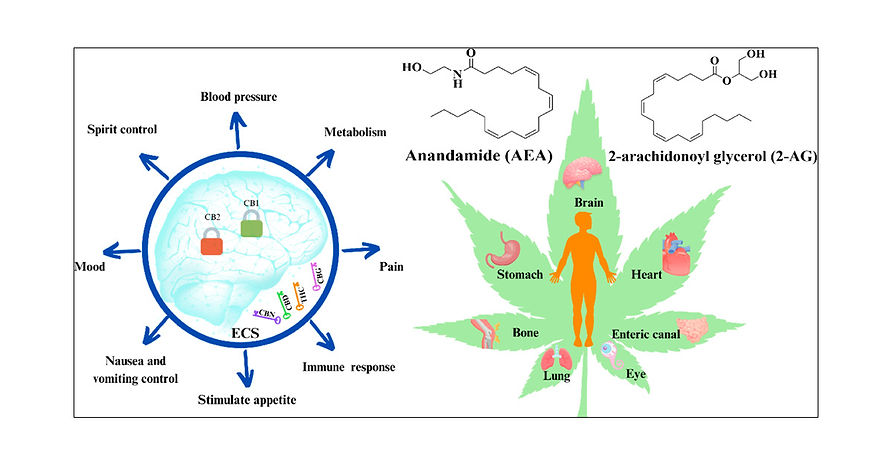
Receptor InteractionStronger affinity for TRPV channels; low CB1/CB2 bindingIndirect ECS modulation; low CB1/CB2
Both are non-intoxicating and contribute to the entourage effect in full-spectrum hemp products.
CBDV in Hemp Products at Dope Bee Farms
CBDV is naturally present in trace amounts in many full-spectrum hemp extracts, enhancing the overall cannabinoid profile. As breeding advances, higher-CBDV hemp strains are emerging, making isolated or enriched CBDV products more available (oils, tinctures, gummies).
At Dope Bee Farms, we prioritize farm-fresh, legal hemp with diverse cannabinoids—including naturally occurring CBDV—for maximum entourage benefits.
Examples of hemp-derived cannabinoid oils and tinctures.
Frequently Asked Questions About CBDV
-
Is CBDV psychoactive? No, it does not cause a "high."
-
Is CBDV legal? Yes, when sourced from hemp with <0.3% THC, per the 2018 Farm Bill.
-
How does CBDV feel? Anecdotal reports describe clarity, focus, or mild relaxation—varies by individual.
-
Can I take CBDV with CBD? Yes, they often work synergistically in full-spectrum products.
Research on CBDV is rapidly evolving. Always consult a healthcare professional before use, especially for medical conditions. Explore our full hemp cannabinoids guide for more on THCa, CBG, CBN, and others.